Kāpēc tas ir sarežģīti?
Dažreiz dziesmas akordi var būt par augstu vai zemu, padarot tās dziedāšanu grūtu. Turklāt sarežģīti akordi var traucēt jūsu muzikālajai izpildei.
Gudrais risinājums
Mūsu rīks ļauj ērti pārvērst dziesmas akordus citā tonī, pielāgojot tās jūsu balsij un instrumentam. Pārvērst dziesmas akordus citā tonī ir viegli, un jūs varat to izdarīt dažu sekunžu laikā.
- Pielāgojiet akordus savam balsim
- Vienkāršojiet sarežģītus akordus
- Pārvērst akordus dažādiem instrumentiem
- Iegūstiet tūlītēju rezultātu
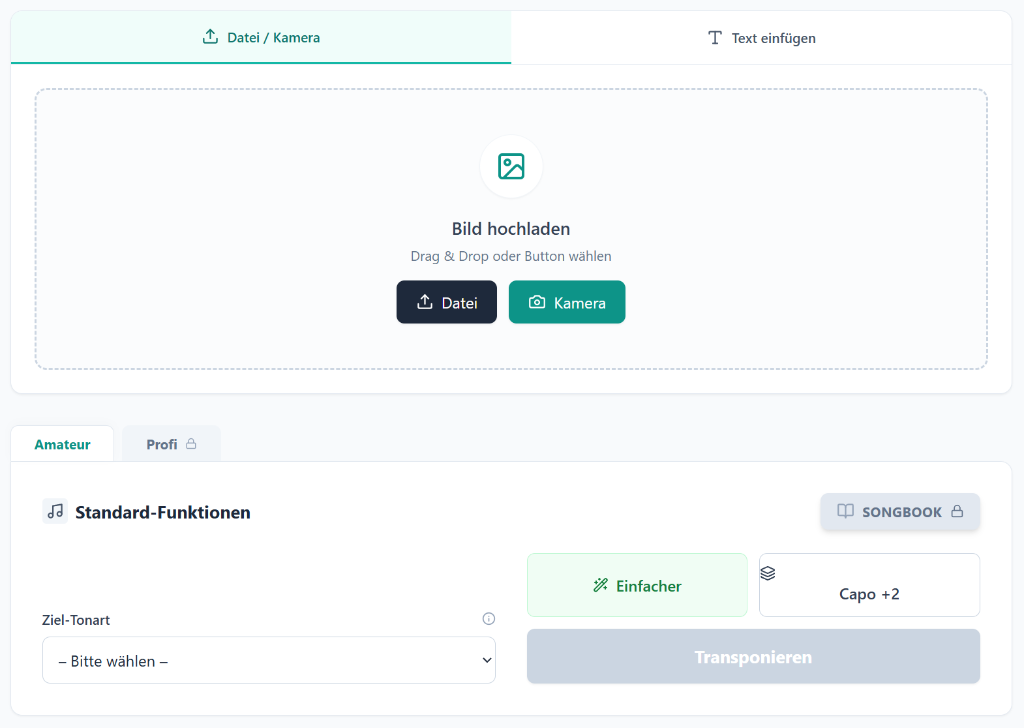
Mūsu rīks akordu pārvēršanai ir šeit!
Mūsu tiešsaistes rīks ļauj jums ātri pārvērst dziesmas akordus citā tonī. Neatkarīgi no tā, vai esat iesācējs vai profesionāls mūziķis, jūs varat ērti ievadīt savus akordus un izvēlēties jauno tonalitāti.
Padziļināta teorija un ieskati
Padziļinātas zināšanas profesionāļiem. Nianses, ko iesācēji bieži nepamana.
Akordu pārvēršana un tonalitātes teorija
Praktiskās metodes akordu pārvēršanā
Emocionālā ietekme un tonalitāte
Biežāk uzdotie jautājumi
?
How does the process of transposing song chords to a different key enhance a musician's understanding of music theory and harmony?
Transposing song chords to a different key is an invaluable practice for musicians, as it deepens their understanding of **music theory** and **harmony**. When a musician transposes chords, they engage actively with the structure of the music, recognizing patterns and relationships between chords. This process requires not only familiarity with the original piece but also a strong grasp of scales, intervals, and chord functions in various keys.
One major benefit of transposing is that it enhances a musician's ability to **recognize chord progressions** and their emotional impacts. For example, a musician who consistently transposes a progression like I-IV-V will notice how the mood shifts between major and minor keys, fostering a comprehensive understanding of tonal relationships.
Moreover, this skill is crucial for **improvisation** and **composition**. By knowing how to manipulate chords in different keys, musicians can create more intricate and dynamic works. To practice transposing, start by choosing simple songs that you are comfortable with, and then gradually increase complexity as you gain confidence. Use a keyboard or a guitar to visualize chords in various keys, which helps solidify your learning.
?
Why might a musician choose to transpose a piece of music instead of performing it in its original key, and what impact does this have on the emotional delivery of the piece?
The emotional delivery of music can also be significantly impacted by transposition. Different keys can evoke different emotions due to their unique tonal qualities. For example, a piece in a major key may convey happiness, whereas the same piece transposed to a minor key might evoke a more somber or contemplative mood. By changing the key, musicians can reinterpret the emotional landscape of a piece, aligning it more closely with their art and the response they wish to elicit from the audience.
To effectively transpose, musicians should carefully consider the emotional content of the piece and how different keys can manipulate this. It's advisable to experiment with a few keys to find the one that resonates most with both the performer and the audience. Ultimately, transposition can allow for a more personal and impactful performance.